Sustainability
Mycelium, the underground root system of fungi, forms a network of hyphae that binds loose matter into a solid, non-flammable, carbon-negative, and acoustically sound material.
Waste = Resources
Our comfortable lifestyles have led to materials and products that decompose over centuries after being used briefly. Another concern is how certain materials are utilised. Neglecting to utilise materials to their full potential can lead to the release of stored CO₂, which contributes to higher atmospheric carbon levels and accelerates climate change.
At Myceen, we’re addressing these issues head-on by harnessing the power of mycelium. Looking ahead, we envision a future where innovative mycelium-based materials lead the market, offering superior qualities compared to traditional, resource-heavy, and polluting products.
Fungi = Nature's Recycler
We are using mycelium, the underground root system of fungi, to grow compostable materials that can replace plastics and composites. This process also valorises the wood and paper industry’s byproducts. Once the growth of mycelium is halted by drying, no fruiting bodies or spores are formed, ensuring our products are safe for both humans and buildings.
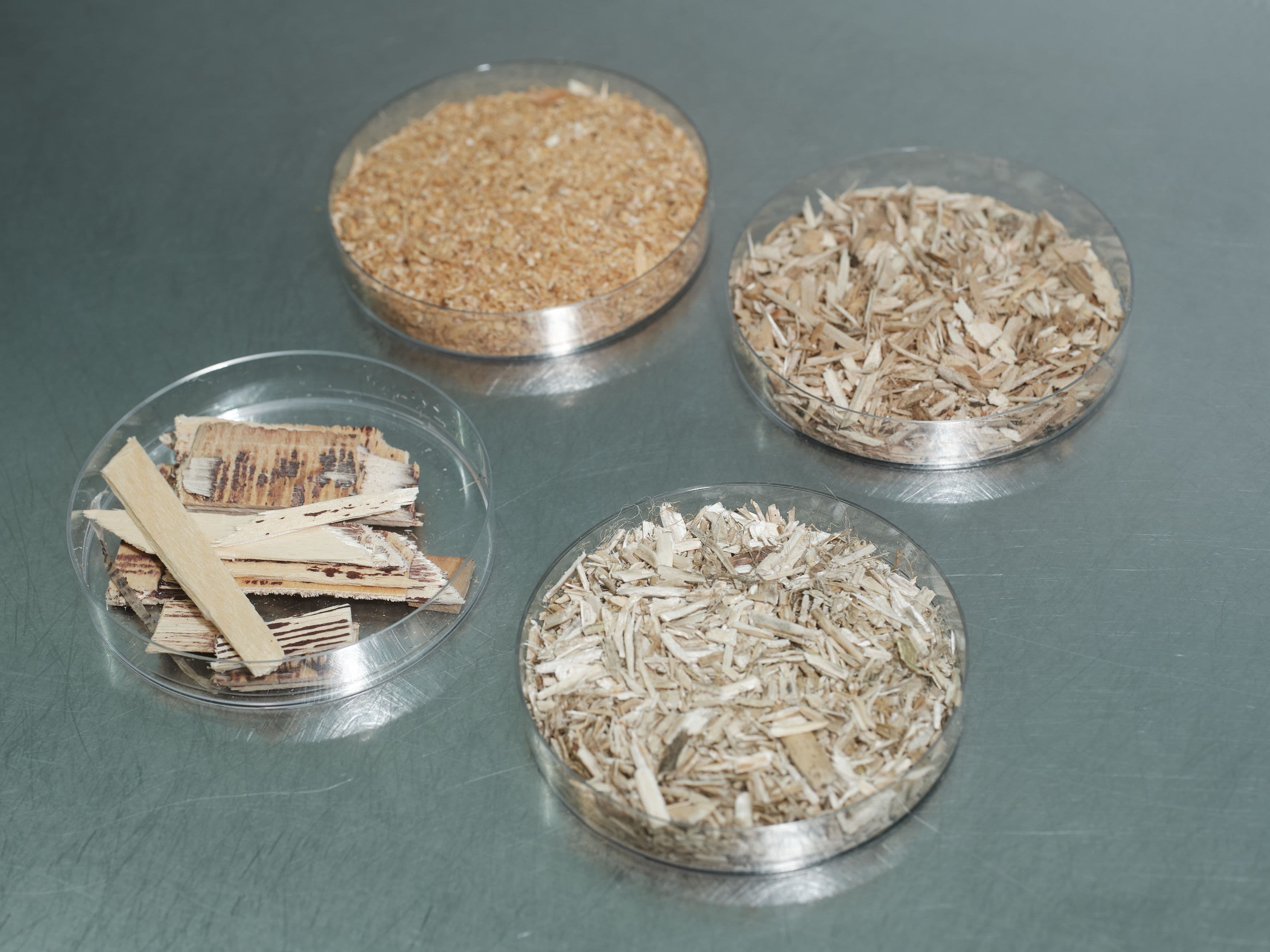
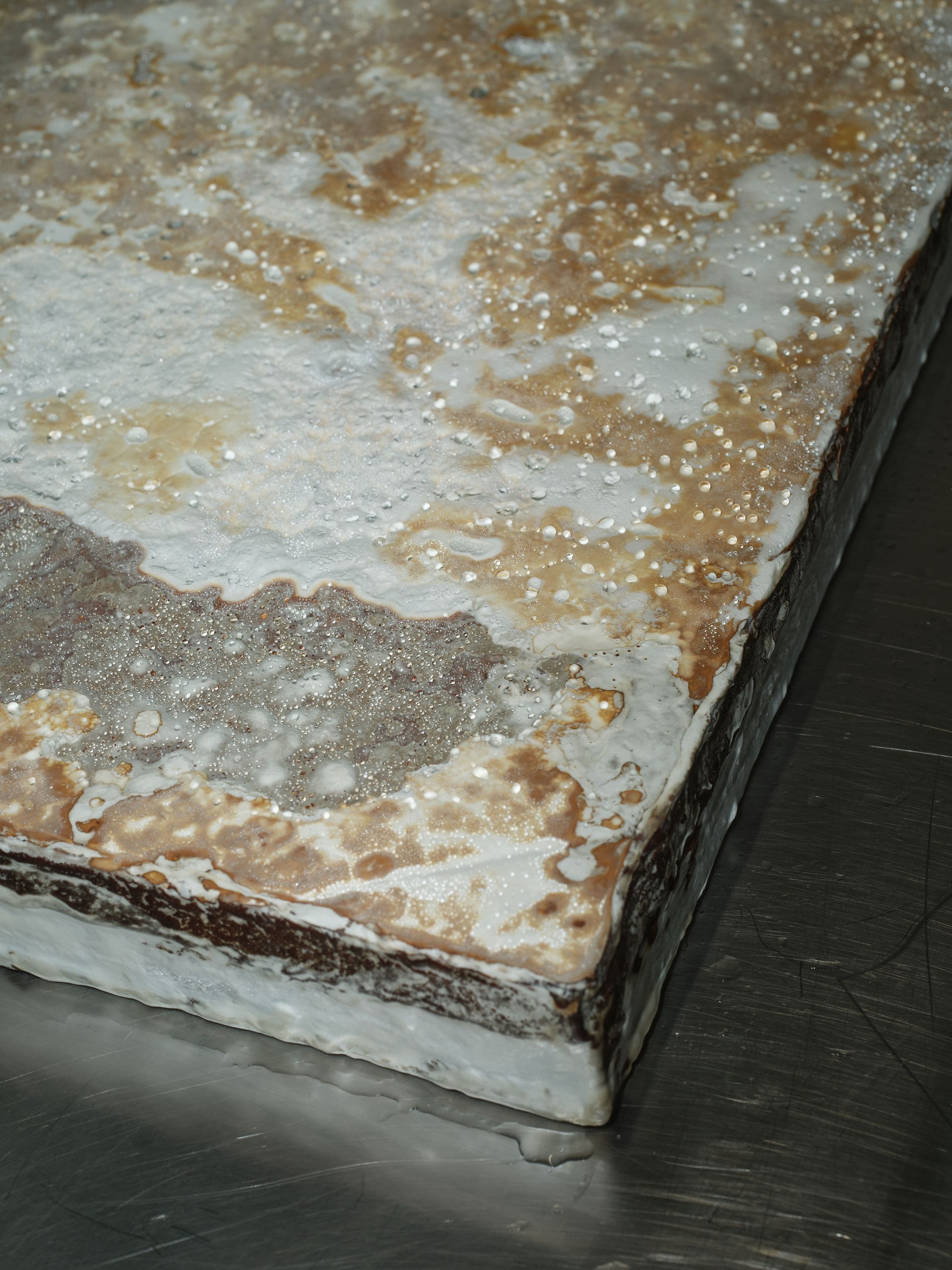
Climate Positive Material
We are using the Life Cycle Assessment methodology to ensure that we are sustainable, not just using the word for the sake of a trend. LCA maps the product’s journey from cradle to cradle, including our energy consumption, transportation, the materials used, and residues in the process. Each step has its inputs and outputs that are calculated into CO₂ equivalents. Based on that information we can say how much CO₂ each production step and product as a whole emits.
Since mycelium-based production is energy-efficient and can lock the carbon in the residual organic material (such as sawdust) used in our products, we can state that our materials are carbon-neutral. Moreover, the mycelium materials are compostable, they return into the natural cycle when thrown away.
For example, our larger acoustic panel’s CO₂ equivalent is ca -2.5 kg when an average furniture item emits 40 kg of CO₂ during its production. (FIRA 2011)